-
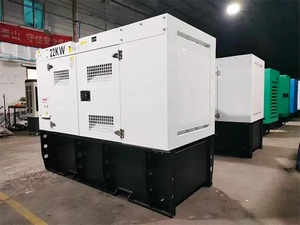
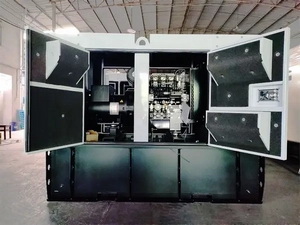
Parallel generator system involves the arrangement of two or more generators sets to provide a combined output to the load, a synchronization control system, a distribution system, and a monitoring system. By operating multiple generator sets in parallel, the system ensures continuous power supply and protect against potential utility failures, while offering greater scalability to meet changing load demands. With power outputs ranging from 500 kVA to over 10,000 kVA, these parallel gensets are ideal for applications requiring high reliability and large-capacity power, including data centers, hospitals, factories, mines, vessels, and utility power networks. On these applications, it is common to see two or more generators of equal capacity paralleled to achieve greater output capacity.
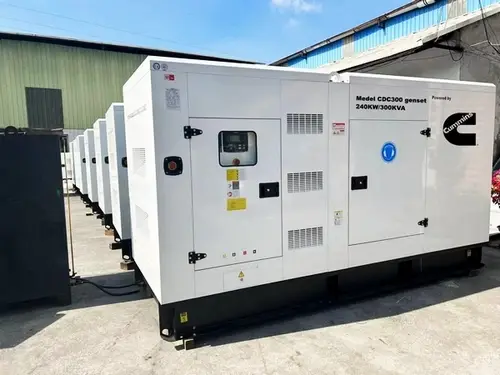


Low voltage parallel generator systems connect multiple low-voltage generator sets, generally with output voltages of 400V or 690V, through synchronization control technology to deliver higher power output or provide redundancy. This setup is widely used in scenarios demanding dependable, high-capacity power, such as data centers, hospitals, manufacturing facilities, commercial complexes, and ships.
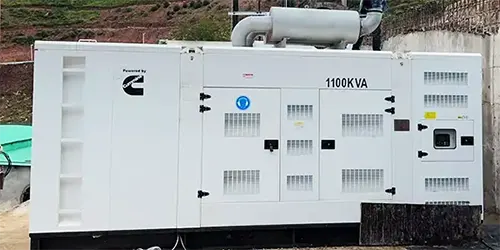


Medium/high voltage parallel generator systems link multiple medium or high-voltage generator sets. commonly with output voltages of 3.3kV, 6.6kV, or 10.5kV via synchronization control technology. These systems are designed to handle large-scale loads and long-distance power transmission requirements. They are extensively applied in the power generation sector, large industrial operations, mining, petrochemical plants, ports, and major infrastructure projects where supply stability and system efficiency are critical.